
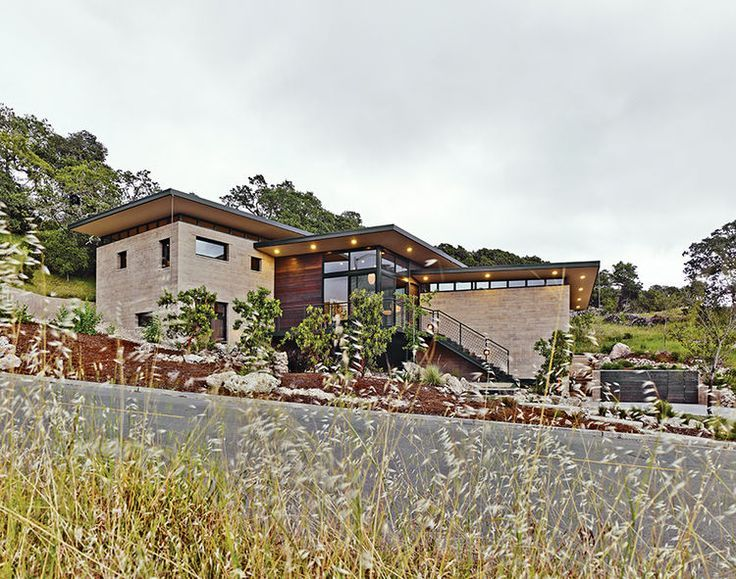
Sustainability is no longer just a trend in construction. It’s a necessity. Modern builders are finding ways to reduce waste, save energy, and create homes that last longer. Sustainable construction involves careful planning, smart material choices, and efficient building practices. From designing energy-efficient homes to reusing materials, every step matters. By embracing green techniques, we can rebuild with a lighter footprint on the planet.
Eco-Friendly Planning By Custom House Builders
Custom house builders are professionals who design and construct homes tailored to individual needs. Beyond aesthetics, they are increasingly prioritizing sustainability. This means planning layouts that maximize natural light, selecting renewable materials, and incorporating energy-efficient systems. Thoughtful planning at this stage reduces waste and energy use during construction. Working with custom house builders ensures your home is designed not just for comfort, but for long-term environmental impact. Even in small choices, their expertise makes a big difference in sustainable construction.
Material Reuse And Recycling During Demolition
Demolition is the process of tearing down existing structures, often seen as wasteful. But sustainable methods turn demolition into an opportunity. Materials like wood, bricks, and metal can be salvaged and reused. Recycling reduces landfill pressure and lowers the need for new raw materials. By planning demolition carefully, builders can separate reusable components from debris. This approach saves money and the environment while providing high-quality materials for new projects. Demolition done thoughtfully can become a cornerstone of green rebuilding practices.
Energy-Efficient Designs From Custom House Builders
Custom house builders are also focusing on energy efficiency. Homes can be designed with insulation, solar panels, and passive heating systems that cut energy consumption. Strategic orientation of windows and rooms enhances natural ventilation and lighting. Incorporating smart home technology helps monitor and reduce energy use over time. By working with builders who understand these principles, homeowners invest in houses that perform better and cost less to maintain. Custom house builders play a critical role in turning eco-conscious designs into practical, sustainable homes.
Demolition Techniques That Minimize Environmental Impact
Not all demolition is created equal. Eco-conscious builders adopt techniques that reduce dust, noise, and debris. Mechanical deconstruction allows selective dismantling of structures, preserving reusable materials. Controlled demolition ensures hazardous substances are safely handled. These methods protect local ecosystems and communities while maintaining efficiency. Choosing demolition strategies carefully demonstrates how even tearing down a building can align with sustainable construction principles. Responsible demolition is essential for both safety and environmental care.
Water And Waste Management In Rebuilding Projects
Sustainable construction also depends on smart water and waste management. Collecting rainwater, using low-flow fixtures, and managing runoff reduces strain on local water supplies. Waste from construction sites can be sorted, recycled, and repurposed to minimize landfill use. These strategies extend the lifespan of resources and keep projects cleaner. By integrating water and waste planning from the start, builders ensure that the environmental impact of each home remains minimal. Sustainable rebuilding is about efficiency at every stage.
Conclusion
Sustainable construction and rebuilding combine creativity, responsibility, and innovation. From careful planning with custom house builders to thoughtful demolition and resource reuse, every choice shapes a greener future. Incorporating energy-efficient designs, minimizing waste, and managing water sustainably ensures that homes are not just beautiful but also kind to the planet. Building sustainably is no longer optional—it’s essential for long-lasting, environmentally conscious living.