
Pets bring joy, companionship, and love into our lives. Ensuring their health and safety is a responsibility that requires careful attention, knowledge, and planning throughout the year. By understanding their basic needs and taking proactive measures, pet owners can help their animals live longer, healthier, and happier lives. From regular veterinary visits to proper nutrition and exercise, a year-round approach to pet care is essential.
Regular Checkups at the Veterinary Hospital
One of the most important steps in keeping your pet healthy is scheduling regular visits to a veterinary hospital. These checkups allow veterinarians to monitor your pet’s overall health, catch potential problems early, and provide guidance tailored to your pet’s specific needs. Routine examinations can include checking weight, dental health, heart function, and detecting signs of illness that may not be obvious at home. Consistent veterinary care also builds a relationship with professionals who understand your pet’s history and can offer the best advice for maintaining their wellbeing.
The Importance of Pet Vaccinations
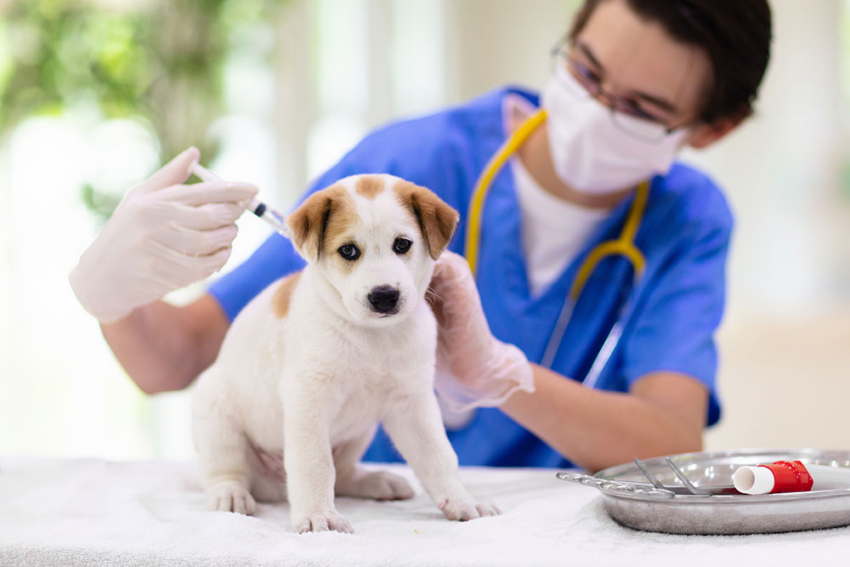
Pet vaccinations play a critical role in protecting animals from serious and potentially life-threatening diseases. Vaccines help build immunity against infections such as rabies, distemper, and parvovirus, which can affect pets of all ages. Staying up to date with pet vaccinations not only protects your own animals but also helps prevent the spread of diseases to other pets in the community. Veterinarians can create a vaccination schedule suited to your pet’s age, lifestyle, and risk factors, ensuring maximum protection year-round.
Proper Nutrition and Hydration
A balanced diet is the foundation of good health for pets. Feeding your animal high-quality food that meets its specific nutritional needs supports energy levels, growth, and overall wellbeing. Pets require a mix of proteins, fats, vitamins, and minerals to thrive. In addition to nutrition, proper hydration is vital. Fresh water should always be available, and the quantity should be adjusted according to your pet’s size, activity level, and the weather. Avoiding harmful human foods and treats can also prevent digestive issues and other health problems.
Exercise and Mental Stimulation
Physical activity is essential for pets to maintain a healthy weight, strong muscles, and cardiovascular health. Dogs, in particular, need regular walks, playtime, and outdoor activity to burn energy and reduce stress. Cats benefit from interactive toys, climbing structures, and safe outdoor exploration. Mental stimulation is equally important. Puzzles, training sessions, and engaging toys help prevent boredom, destructive behavior, and anxiety, keeping pets both physically and mentally healthy.
Safety at Home and Outdoors
Ensuring your pet’s safety requires attention to both indoor and outdoor environments. Inside the home, secure hazardous items such as chemicals, small objects, and electrical cords that pets might chew. Outdoors, keep dogs on a leash during walks, supervise play in open spaces, and ensure secure fencing in your yard. During extreme weather conditions, provide shelter and avoid exposing pets to dangerous temperatures. Microchipping and ID tags are also essential safety measures that can help reunite you with your pet if they ever get lost.
Preventive Care for Long-Term Health
Preventive care extends beyond vaccinations and routine checkups. Regular grooming, dental care, and parasite control are crucial for keeping pets healthy. Brushing fur, trimming nails, and cleaning ears prevent infections and discomfort. Dental health, often overlooked, is vital for preventing tooth decay and gum disease, which can impact overall health. Parasite prevention, including flea, tick, and heartworm protection, reduces the risk of serious illnesses and ensures your pet remains comfortable throughout the year.
Recognizing Signs of Illness Early
Being attentive to your pet’s behavior and appearance can help identify health issues before they become severe. Changes in appetite, energy levels, or bathroom habits may indicate a problem. Vomiting, diarrhea, coughing, or limping are signs that veterinary attention may be needed. Quick response to these symptoms often leads to easier treatment and faster recovery. Maintaining a close relationship with your veterinary hospital ensures that any concerns are addressed promptly and appropriately.
Conclusion
Keeping your pet safe and healthy year-round requires a combination of proper nutrition, regular exercise, preventive care, and attentive monitoring. Regular visits to a veterinary hospital and staying current with pet vaccinations are essential pillars of responsible pet ownership. By creating a safe environment, offering mental and physical stimulation, and responding promptly to signs of illness, pet owners can provide a loving, secure, and healthy life for their furry companions. Consistent care and attention help pets thrive, making every year together enjoyable and fulfilling.