
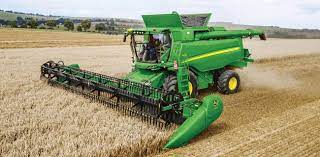
Harvesting and crop rotation strategies are integral components of sustainable agriculture, aimed at optimizing yield, enhancing soil health, and mitigating pest and disease pressures. By implementing strategic crop rotations, farmers can improve nutrient cycling, break pest cycles, and maintain soil fertility over time. This article explores the importance of crop rotation in harvesting practices, along with various strategies employed to maximize yield and sustainability in agricultural systems. Watch YouTube Shorts on Harvesting.
Understanding Crop Rotation: Principles and Benefits
Crop rotation is a time-honored agricultural practice that involves alternating the types of crops grown in a specific field over sequential seasons or years. The primary goals of crop rotation include:
Soil Health:
Different crops have varying nutrient requirements and root structures, helping to break up soil compaction, improve aeration, and enhance microbial activity, thus maintaining soil health and fertility.
Pest and Disease Management:
Rotating crops disrupts the life cycles of pests, diseases, and weeds, reducing the buildup of pathogens and pests associated with monoculture cropping systems, thereby minimizing the need for chemical inputs and promoting natural pest control. Watch Harvesting Shorts on YouTube Channel
Nutrient Management:
Crop rotation balances nutrient uptake and replenishment in the soil, preventing nutrient depletion and promoting sustainable nutrient cycling, which reduces the reliance on synthetic fertilizers.
Weed Suppression:
Certain crops, such as cover crops and legumes, suppress weed growth through shading, competition for resources, and allelopathic effects, reducing weed pressure and minimizing the need for herbicides.
Common Crop Rotation Patterns and Strategies
Crop rotation patterns vary depending on climate, soil type, cropping system, and agronomic goals. Several common crop rotation strategies include:
Traditional Crop Rotation:
A simple rotation of crops, such as corn followed by soybeans, followed by wheat, allows for the replenishment of soil nutrients, suppression of pests and diseases, and maintenance of soil structure and fertility.
Legume-based Rotation:
Integrating leguminous crops, such as peas, beans, and clover, into rotation cycles helps fix atmospheric nitrogen, enhancing soil fertility, reducing the need for synthetic fertilizers, and promoting sustainable nutrient management practices.
Cover Crop Rotation:
Planting cover crops, such as rye, oats, and radishes, during fallow periods or as intercrops helps protect soil from erosion, improve water infiltration and retention, suppress weeds, and enhance soil organic matter content.
Intercropping and Relay Cropping:
Intercropping involves growing two or more crops simultaneously in the same field, while relay cropping involves planting a second crop before harvesting the first crop. These techniques maximize land use efficiency, diversify income sources, and optimize resource utilization.
Integrating Harvesting Practices with Crop Rotation
Harvesting practices are closely intertwined with crop rotation strategies, as the timing, sequence, and selection of crops influence harvesting operations and outcomes:
Harvest Timing:
Crop rotation influences the timing of harvesting operations, as different crops have varying maturity periods and harvest windows. Planning harvest schedules accordingly ensures optimal crop quality, yield, and efficiency.
Crop Selection:
The selection of crops for rotation affects harvesting methods, equipment requirements, and post-harvest handling practices. Diverse crop rotations may involve a mix of crops with different growth habits, harvesting techniques, and storage requirements.
Post-Harvest Residues:
Crop residues left after harvesting can serve as valuable organic matter for soil health and fertility. Incorporating crop residues into the soil through tillage or conservation practices helps build soil structure, enhance nutrient cycling, and promote microbial activity.
Challenges and Considerations
Despite the benefits of crop rotation, several challenges and considerations exist:
Market Demand:
Aligning crop rotation strategies with market demand and price fluctuations requires careful planning and risk management to ensure profitability and market access for diverse crops.
Land Availability:
Limited land availability and fragmentation may constrain the implementation of crop rotation strategies. Particularly in intensively managed or peri-urban areas where land tenure and land use regulations pose challenges.
Resource Constraints:
Smallholder farmers and resource-limited producers may face constraints in adopting diverse crop rotations due to limited access to seeds, inputs, equipment, and technical assistance.
Knowledge and Awareness:
Education, training, and extension services are essential for building awareness and. Knowledge among farmers about the benefits and practices of crop rotation. Fostering adoption and sustainability over the long term.
Conclusion: Cultivating Resilience Through Crop Rotation
In conclusion, crop rotation is a cornerstone of sustainable agriculture. Providing numerous benefits for soil health, pest management, nutrient cycling, and yield optimization. By integrating harvesting practices with strategic crop rotations. Farmers can enhance resilience, productivity, and environmental sustainability in agricultural systems.
As we confront the challenges of climate change, soil degradation, and food insecurity. The importance of crop rotation strategies in harvesting practices cannot be overstated. Through innovation, collaboration, and a commitment to stewardship of natural resources. Farmers can cultivate resilient and productive agricultural landscapes that nourish communities, protect ecosystems, and sustain livelihoods for generations to come.