
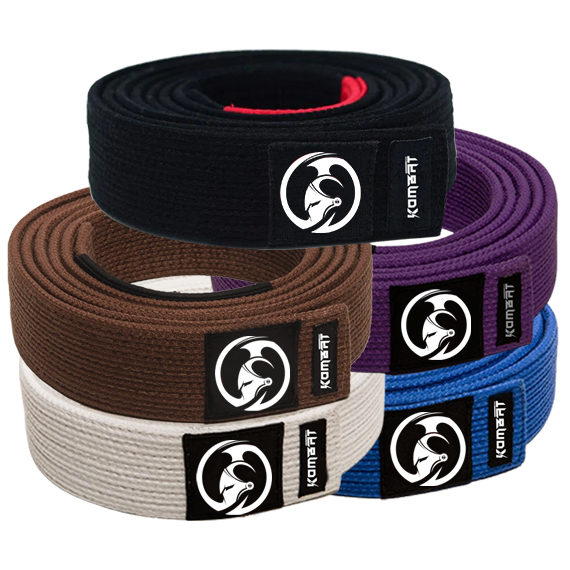
Martial arts, with its rich history and diverse disciplines, places a significant emphasis on tradition, discipline, and physical fitness. Among the various elements that symbolize a practitioner’s journey, the Gi belt stands out as a potent symbol of achievement and progress. In this article, we explore the profound connection between Gi belts and injury prevention in the realm of martial arts.
Introduction
Brief Overview of Martial Arts
Martial arts, encompassing a wide array of disciplines, have been practiced for centuries, blending physical prowess with mental discipline. The journey of a martial artist involves mastering techniques, cultivating discipline, and advancing through various levels of expertise.
Significance of Gi Belts
Central to the martial arts experience is the concept of ranking, with practitioners moving from one belt color to another as they progress. Gi belts not only signify a practitioner’s skill level but also carry deep symbolic meaning, reflecting personal growth and commitment to the art.
Understanding Gi Belts
Colors and Rankings
Gi belts come in a spectrum of colors, each denoting a specific rank or level of proficiency. White belts typically signify beginners, while black belts represent advanced practitioners. Understanding the significance of each color is crucial for both practitioners and instructors.
Evolution of Gi Belts
The tradition of using belts to signify martial arts rank originated in the early 20th century. Initially, belts were purely practical, holding together the traditional martial arts uniform known as the Gi. Over time, the belt system evolved to include various colors, each representing a different stage in the practitioner’s journey.
Importance of Proper Belt Tying
Symbolic Meaning
Tying the Gi belt is not just a practical act; it holds profound symbolic significance. It symbolizes the commitment to the art and the willingness to learn and grow. Ensuring the belt is correctly tied is a mark of respect for the art and fellow practitioners.
Preventing Injuries
Beyond symbolism, proper belt tying contributes to injury prevention. A securely tied belt ensures that the uniform stays in place during training, reducing the risk of tripping or entanglement.
Common Injuries in Martial Arts
Strains and Sprains
Martial arts, while promoting physical fitness, can lead to strains and sprains, especially when techniques are executed improperly. Understanding the common injuries helps practitioners take proactive measures to avoid them.
Impact-Related Injuries
The dynamic nature of martial arts involves quick movements and, at times, high-impact techniques. This increases the risk of injuries, making it essential for practitioners to be aware of potential risks and take precautions.
Role of Gi Belts in Injury Prevention
Gi belts serve as more than symbolic attire. When tied correctly, they provide additional support to the core and lower back, aiding in injury prevention. This underlines the dual role of Gi belts in both tradition and safety.
Choosing the Right Gi Belt
Material and Durability
Selecting the right Gi belt involves considering factors such as material and durability. A high-quality belt not only lasts longer but also provides better support during training sessions.
Proper Size and Fit
An ill-fitting belt can hinder movement and compromise safety. Practitioners should ensure their Gi belt is of the correct size, allowing for comfort and flexibility while training.
Techniques for Safe Training
Warm-Up and Stretching
Prior to engaging in martial arts training, a thorough warm-up and stretching routine are essential. This prepares the body for the physical demands of the practice, reducing the likelihood of injuries.
Controlled Sparring
Sparring, a fundamental aspect of martial arts, requires control and precision. Practitioners should focus on controlled movements and adhere to the principles of their discipline to minimize the risk of injuries.
Gi Belt Maintenance
Washing and Care Tips
Proper maintenance of Gi belts ensures their longevity and functionality. Washing them regularly and following care tips provided by manufacturers is crucial to preserving their quality.
Replacing Worn-Out Belts
Over time, Gi belts may wear out due to extensive use. Recognizing signs of wear and promptly replacing belts is essential to maintain safety and uphold the traditions associated with them.
The Role of Instructors in Injury Prevention
Supervision and Guidance
Instructors play a pivotal role in injury prevention. Through effective supervision and guidance, they can ensure that practitioners follow proper techniques, use appropriate safety gear, and maintain a safe training environment.
Promoting Safety Culture
Creating a culture of safety within martial arts schools involves both instructors and practitioners. Emphasizing the importance of safety during training sessions fosters an environment where injuries are minimized.
Conclusion
Recap of Key Points
Gi belts, integral to the martial arts journey, symbolize progress, commitment, and tradition. Understanding their significance, proper usage, and maintenance contribute to injury prevention and an enriched martial arts experience.
Emphasizing Safety and Tradition
Balancing tradition with safety measures ensures that the essence of martial arts is preserved while practitioners engage in a physically demanding yet rewarding pursuit.
FAQs (Frequently Asked Questions)
- Is it necessary to wash Gi belts regularly?
- Yes, washing Gi belts regularly helps maintain hygiene and prolong their lifespan.
- How often should a martial artist replace their Gi belt?
- The frequency of replacing Gi belts depends on usage; signs of wear indicate the need for replacement.
- Can wearing a Gi belt prevent all injuries in martial arts?
- While a Gi belt offers some support, it’s essential to combine it with proper techniques and safety measures for injury prevention.
- Are superstitions around belt colors significant in martial arts?
- Superstitions around belt colors are not inherently significant; practitioners should focus on the genuine meaning of their journey.
- What role do online forums play in the martial arts community?
- Online forums provide a platform for practitioners to share experiences, seek advice, and stay connected with the broader martial arts community.
Read more: Click here